
What's real and what we perceive
I played enough Tetris as a kid that I started seeing shapes and gaps everywhere. The world hadn't changed. What I was paying attention to had.
Shapes and gaps
I was very young when I got into Tetris, and I played it enough that it leaked out of the game. I'd look around the neighborhood and see shapes and gaps: where a block would fit, where a line would drop into place.
Sometimes it was even useful. Packing things away, or loading a moving truck, turned into a game I'd already practiced.
Clues on the street
Later I played a puzzle game where the hints were all around you, and sometimes you had to memorize numbers to solve something later on.
That got into my head the same way. I'd be walking down the street, see an unusual license plate, and memorize it, because it might be a clue for later.
It was not a clue. It was a license plate. But for a while, my brain wasn't taking any chances.
What you concentrate on
Neither game changed the world. They changed what I noticed in it. Whatever you concentrate on starts deciding what you see. The chess player sees threats. The Tetris player sees gaps. The puzzle player sees clues on license plates.
That's a big part of why I'm interested in neuroscience and in the difference between reality and perception. I'm not an expert. I just find it fascinating that two people can look at the same street, see different things, and both be sure they're seeing what's there.
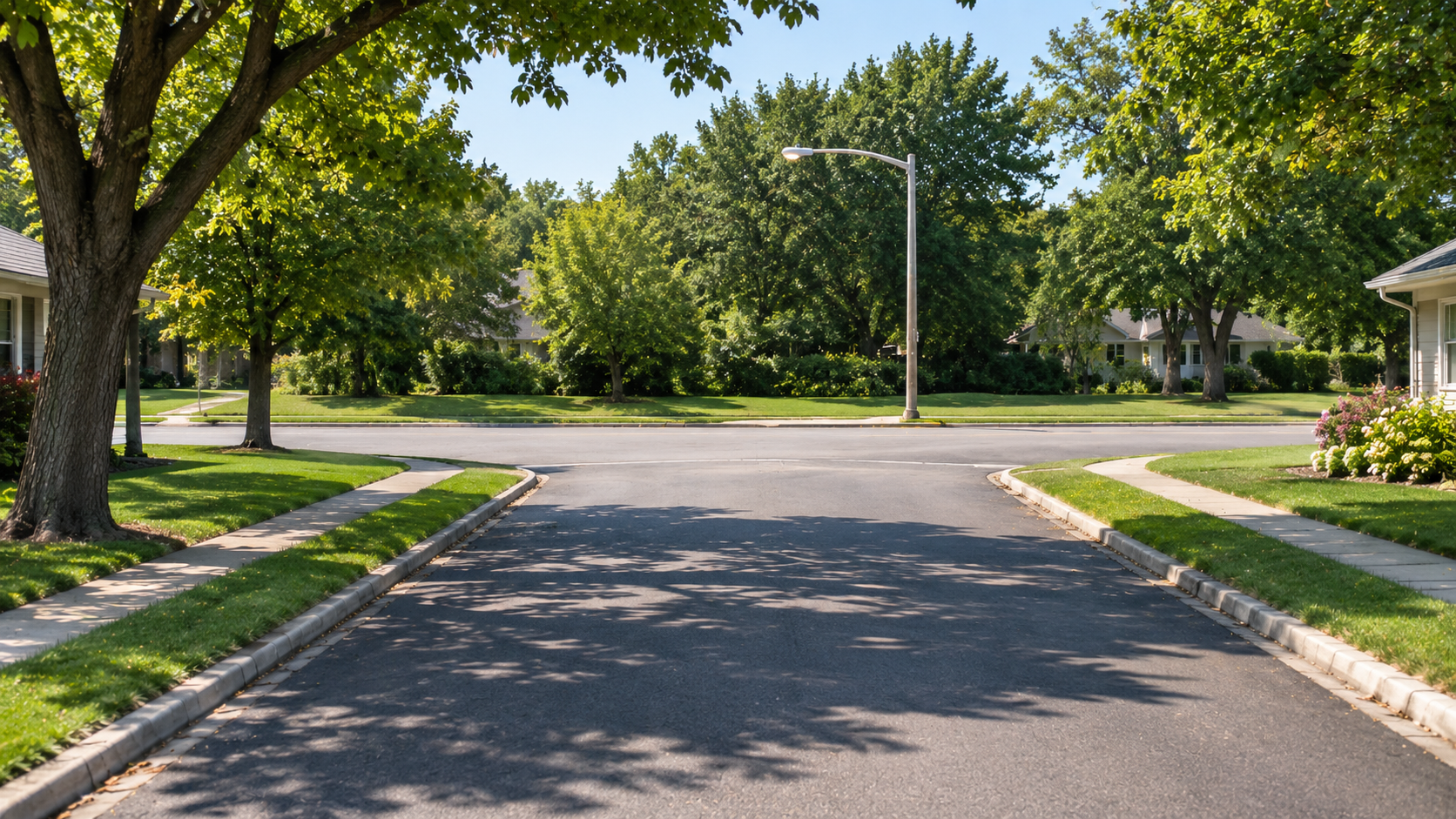
Try it: same street, different eyes
This is just a street. Pick a pair of eyes and look again.
Where code comes in
Programming did the same thing to me, more than any game. After enough years of it, I see systems: how the pieces fit together, what depends on what, where something is likely to break.
That's useful. It's also a reminder that the way I see a piece of software isn't the way the people using it see it. I see the model underneath. They see the screen in front of them, and whether it does what they need. Both are real. Only one of them is what they actually experience.
What I keep wondering is what I've stopped seeing. If practice decides what you notice, it probably decides what you miss, too.